
The Allure of Luck in Casinos
The concept of luck is central to the perception of casino gambling. Many players believe that winning is solely a matter of chance, leading to the widespread myth that luck can be predicted or influenced. This perception is often fueled by stories of huge jackpot winners or players who consistently come out ahead, such as those who enjoy the offerings at 1win where various games keep the excitement alive. However, it’s essential to understand that while luck plays a role, the outcomes of games in casinos are largely determined by mathematical probabilities and randomness, particularly in games like slots and roulette. Each game has been designed to ensure that while players may experience winning streaks, the odds are always slightly in favor of the house.
Certain casino games are designed with a built-in house edge, meaning the odds are always slightly in favor of the casino. For instance, in blackjack, the house edge can be minimized through optimal strategy, but it never disappears entirely. Players often fall into the trap of believing they can overcome this edge by invoking different superstitions or using betting systems that promise guaranteed wins. This only highlights the misunderstanding of how gambling mechanisms work and the importance of informed decision-making. The reality is that the casino’s advantage is consistent, and while players may win in the short term, over time, the house edge will prevail.
Furthermore, psychological factors play a vital role in the perception of luck. Gamblers experience heightened emotions during play, leading to biased thinking that may affect their judgment. The thrill of the game can skew a player’s perception of their own luck. This is where the myth of “hot” or “cold” machines comes into play—many players believe some machines are luckier than others, when in reality, each spin is an independent event governed by random number generators, making every outcome equally unpredictable. Understanding this aspect can help players approach gambling with a more rational mindset, focusing on enjoyment rather than the elusive notion of luck.
The Strategy Behind Gambling Games
A common myth is that casino games are purely games of chance, dismissing the strategic elements present in many of these games. While it’s true that games like slot machines rely heavily on luck, others, such as poker and blackjack, incorporate significant strategic components. Skilled players can use strategy to improve their odds and increase their winning potential. For example, in poker, understanding the odds of a hand, calculating pot odds, and reading opponents are crucial skills that contribute to overall success. Players who take the time to study these strategies often find themselves better equipped to handle the pressures of the game.
Moreover, players often underestimate the importance of bankroll management and discipline. Many novice gamblers enter a casino without a clear strategy or budget, allowing emotions to dictate their decisions. This can lead to substantial losses and reinforce the myth that gambling is purely luck-based. In reality, strategic thinking combined with effective bankroll management can enhance enjoyment and lead to more favorable outcomes, challenging the notion that gambling is just a game of blind chance. Setting limits and adhering to a strategy can help mitigate losses and foster a more enjoyable experience.
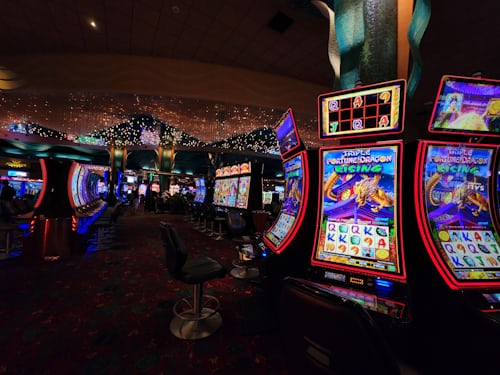
It’s important to note that knowledge and skill can offer a significant advantage but do not guarantee wins. Even the most skilled poker players face losses due to the unpredictable nature of the game. This balance of skill and chance is what keeps players coming back, as mastering the strategy can lead to a deeper appreciation for the game. Understanding the interplay between skill and luck helps demystify the gambling experience, highlighting the need for both strategic planning and the acceptance of inherent risks. This awareness can transform gambling from a mere pastime into an engaging challenge that rewards thoughtful play.
The Role of Gambling Addiction
The idea that gambling is a harmless form of entertainment is a prevalent myth, often overlooking the potential for addiction. While many people gamble responsibly, for some, it can lead to compulsive behavior that has severe consequences. Gambling addiction is a recognized mental health issue that can disrupt lives, causing financial ruin and damaging relationships. Recognizing the signs of problematic behavior is crucial, as early intervention can help individuals reclaim control over their lives. Awareness of the risks associated with gambling can empower players to approach it with caution and mindfulness.
Factors that contribute to gambling addiction include the thrill of risk-taking, social pressures, and the illusion of control over outcomes. Many gamblers rationalize their behavior, believing they can win back losses, a mindset often referred to as “chasing losses.” This can lead to a vicious cycle of increased gambling, further losses, and escalating problems. Educational initiatives aimed at promoting responsible gambling are crucial in mitigating these risks and debunking the myth that gambling is always a safe and entertaining pastime. Providing support and resources can create a more informed gambling culture that prioritizes mental health.
Moreover, understanding the psychological aspects of gambling addiction can aid in prevention. The design of casino games, with their bright lights and enticing sounds, plays a significant role in stimulating the brain’s reward system. This reinforces the idea that gambling can lead to positive feelings, making it harder for individuals to recognize when their behavior has crossed the line into addiction. By raising awareness about responsible gambling practices and available resources, we can help debunk myths surrounding gambling and promote healthier attitudes toward it. Educating players on the signs of addiction can lead to proactive measures that protect their well-being.
The Influence of Casino Promotions and Loyalty Programs
Casinos often use promotions, bonuses, and loyalty programs to attract and retain players. While these offers can seem enticing, it’s a myth that they fundamentally increase a player’s chances of winning. Many players believe that by taking advantage of these promotions, they can gain an edge. However, it’s vital to approach these incentives with caution, as the terms and conditions often come with stipulations that can negate any perceived benefits, such as high wagering requirements. Understanding these conditions is crucial in order to make informed decisions about participating in such offers.

Furthermore, while promotions may encourage additional play, they can also contribute to reckless gambling behavior. This is particularly true for individuals who might feel pressured to chase after bonuses, leading them to gamble more than they originally planned. The allure of rewards can often cloud judgment and lead to increased risks. Understanding the true value of these promotions—recognizing them for what they are, rather than as a ticket to guaranteed winnings—is essential for responsible gambling. Players should evaluate if the potential benefits outweigh the risks involved.
In addition to promotions, loyalty programs can create a false sense of entitlement among players. Many believe that accumulating points will inevitably lead to big wins or exclusive perks. However, these programs are primarily designed to encourage continued play rather than reward skill or luck. It’s essential for players to remain aware that casinos are ultimately businesses seeking profit, and loyalty programs are effective marketing tools rather than guarantees of success. Recognizing the commercial intent behind these programs can help players maintain a healthy perspective on their gambling activities.
Understanding the Casino Experience Through Knowledge
The world of casinos can be complex and multifaceted, yet a better understanding of its intricacies allows players to navigate it more effectively. This article aims to shed light on the myths and truths surrounding casino gambling, encouraging individuals to think critically about their gambling habits. Understanding the roles of luck, strategy, addiction, promotions, and the overall experience can help demystify several assumptions and guide players toward more responsible gambling practices. By cultivating a knowledgeable approach, players can enhance their enjoyment and minimize potential pitfalls.
By fostering a greater awareness of the gambling landscape, individuals can make more informed decisions that align with their values and financial goals. This includes establishing clear budgets, setting time limits, and recognizing signs of problematic behavior. Resources and support systems are available for those who may need assistance, emphasizing the importance of seeking help when necessary. Additionally, education and responsible gambling campaigns are crucial in reshaping the narrative surrounding gambling and promoting a healthier, more informed approach. Knowledge is a powerful tool in the quest for a balanced gambling experience.
Ultimately, the key takeaway is that while casino gambling can be entertaining and potentially rewarding, it comes with risks that need to be managed sensibly. The myths surrounding gambling should not overshadow the truths that reveal its nature. By fostering a better understanding of the casino experience, players can engage with it responsibly, ensuring a more fulfilling and enjoyable journey in the world of gambling. Awareness and education are paramount in transforming perceptions and creating a healthier gambling culture for all participants.